The Shaggy Mullet Comeback is Louder Than Ever
The shaggy mullet is all about contrast that still feels lived-in: a shorter, layered crown and sides that taper into a longer nape, plus fringe that can swing from dense and blunt to broken-up and barely-there. In this image-led collection, the focus stays on how those choices change the mood, from compact, rounded tops to spikier texture and wispy, neck-skimming tails.
You will see variations in finish too, including glossy dark cuts, bright blondes with root shadow, copper tones, and versions that lean wavy or fully curly. Use the photos as a visual vocabulary for communicating length breaks, fringe density, and how piecey layering sits around the ear, jaw, and neckline without losing the mullet back section.
Heavy Fringe With a Compact Crown and Glossy Nape Tail

Thick, piecey bangs cut straight across the forehead set a heavy front line, then taper into a short, rounded crown with tight layering. Around the ear, the sides stay noticeably shorter, but the back drops longer at the nape for a clear mullet tail. The dark, glossy finish and slight bend at the ends add a shaggy edge without turning spiky.
Highlighted, Strand-Separated Mullet With a Wispy Back
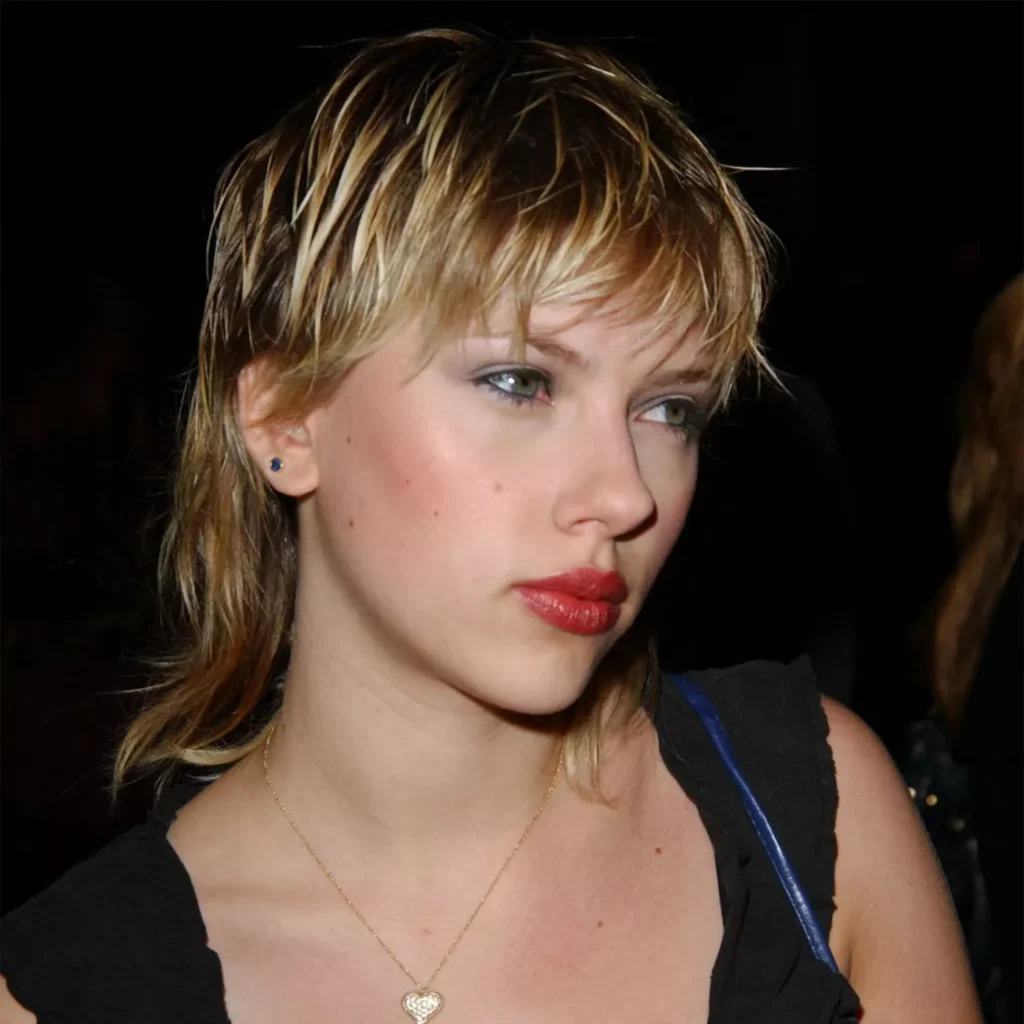
Piece-separated fringe and a messy, layered top give this cut a deliberately undone feel. Bright blonde highlights through the crown amplify the separation, while the back hangs longer and wispy along the neck to hold the mullet outline. Keep this photo in mind when you want the length difference to look sharper through texture rather than blunt edges.
Choppy Top With Minimal Fringe and a Defined Nape Section
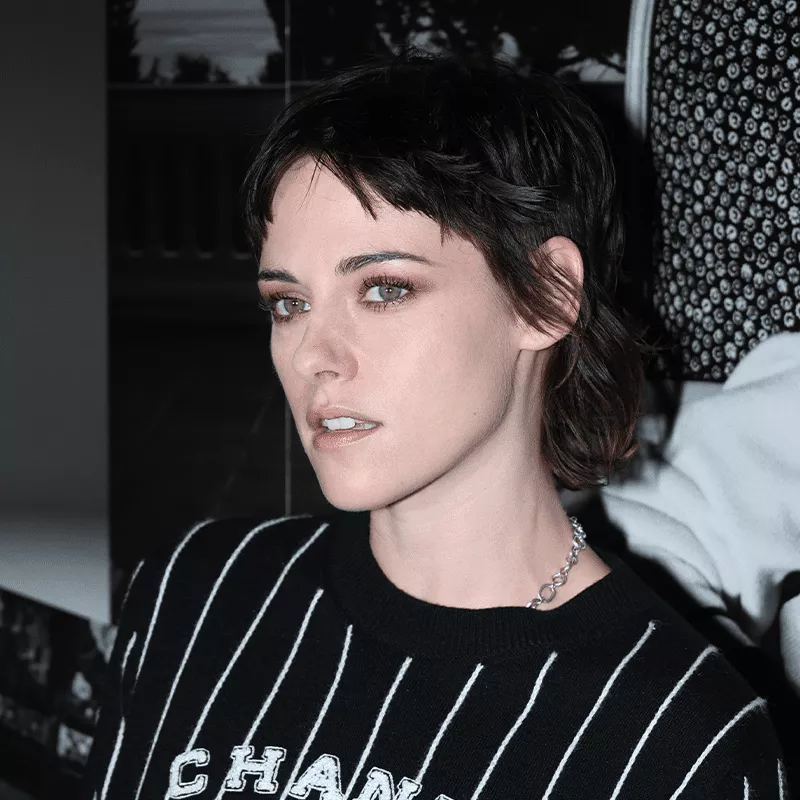
Short, choppy layers stack through the crown while the front stays broken up instead of forming full bangs. From the side, the contrast is clear: the ear area looks shorter and neater, and the nape is left longer with a lightly tousled, mostly straight finish. It is a useful reference when you want the mullet cue to come from the back length, not the fringe.
Blunt Fringe Paired With Feathered Platinum Lengths

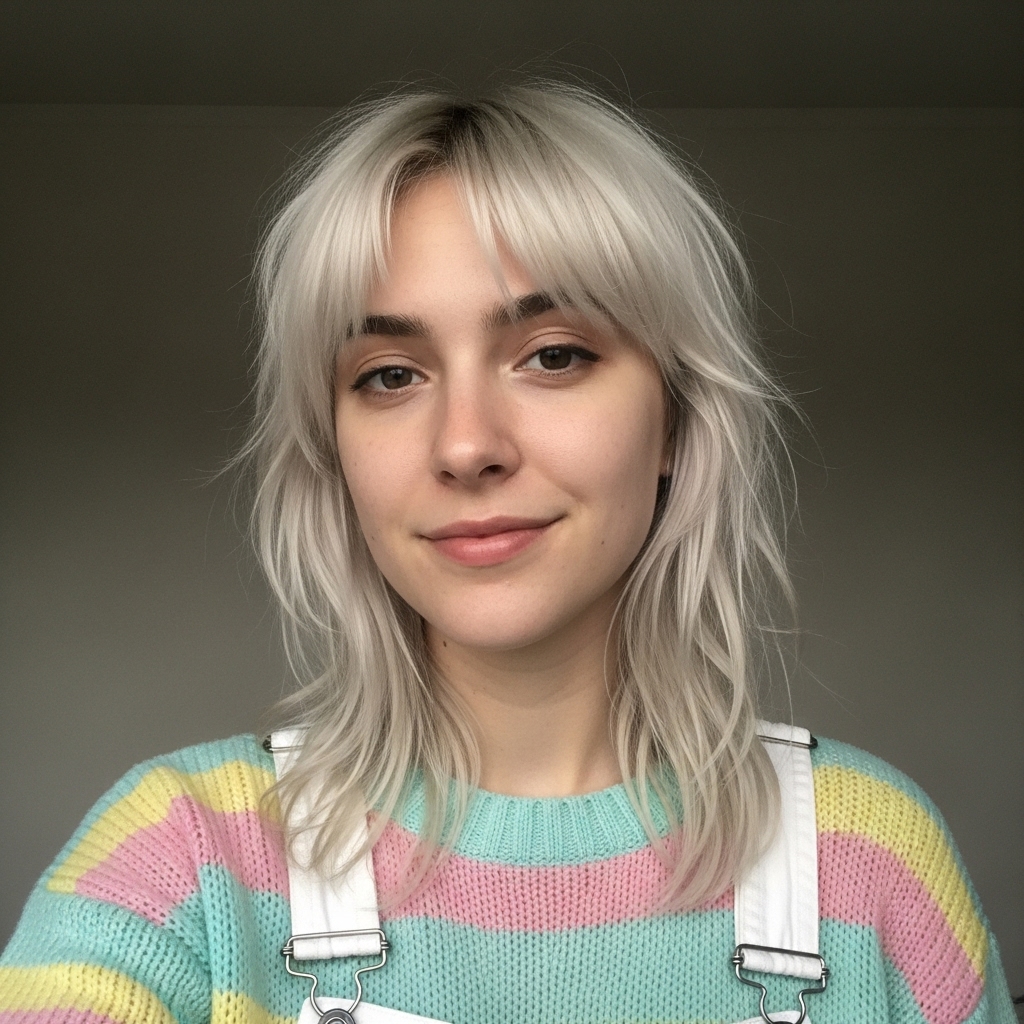
Blunt, straight bangs give the front a crisp edge, while the rest of the cut stays light and floaty. Soft shag layers wrap the sides, then extend into a longer back that drifts toward shoulder-grazing length. Feathered, wispy ends and flyaways highlight movement, helping the mullet shape feel airy rather than sharp or blocky.
Wet-Look Piecey Micro-Fringe With a Wispy Nape

Choppy, separated fringe forms a micro-fringe effect across the forehead, and the crown is lifted and messy with wet-look piece separation. Behind the ear, the length continues into a longer, wispy nape that reads as a soft tail rather than a blunt block. This is a strong visual for a short mullet that relies on texture to show its layers.
Rooty Blonde Pixie-Mullet With an Extended Tail

Rooty blonde color contrast adds punch to the cut, with heavily layered, spiky-tousled pieces through the crown and sides. The fringe falls forward in short, choppy sections that blend into the top. What makes it unmistakable is the back: a longer mullet tail that drops past the neckline, so the length break stands out even in a front view.
Soft Light-Blonde Layers With a Wispy Micro-Fringe

Wispy micro-bangs skim the forehead, paired with layered sides that land around the cheek to jaw area for a soft frame. The ends stay ragged and feathery instead of blunt, and the nape runs longer than the sides for a gentle mullet direction. A good pick when you want lightness and tousle rather than a hard, chopped finish.
Copper Mullet With Choppy Fringe and a Wavy Nape

Vivid copper color spotlights the cut, starting with a short, choppy fringe across the forehead. With one side tucked back, the layered sides are easier to see as they transition into a longer nape section that turns wavy and piecey. The perimeter stays intentionally uneven, reinforcing the shag vibe and the strong front-to-back length difference.
Tousled Copper Crown With Short Bangs and a Wavier Tail
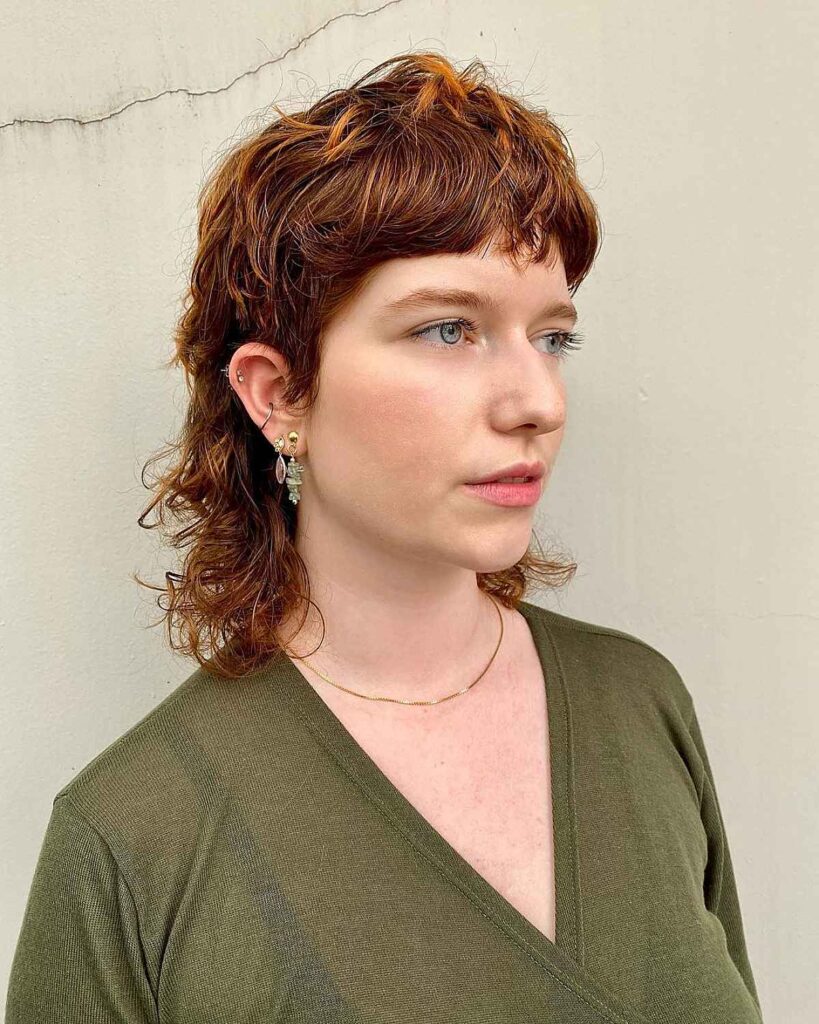
Lifted, messy crown layers and bright copper highlights bring texture to the top, while short choppy bangs sit above the brow line from this angle. The ear is exposed and the side length stays compact, then the nape drops longer with a soft wave. It is a clear side-profile study in how crown volume can flow into a mullet tail.
Slick-Piecey Black Cut With Longer Neck-Length Ends

Thin, pointy fringe pieces sit over the forehead, paired with a compact, rounded top that looks straight and slightly wet-finished. Longer, narrow lengths hang down past the jaw on both sides, hinting at extended perimeter and back length even from a front view. Choose this reference when you want separation and length through the ends without a full, heavy fringe.
Neon Orange-Red Layers With Baby Bangs and a Longer Back

Very short baby bangs push the look forward, while choppy crown layers build a rough, piecey outline through the top and sides. The color shifts from darker roots into vivid orange-red lengths, drawing attention to the longer back section that falls below the sides. It is a strong option for showing how ultra-short fringe intensifies the mullet’s length break.
Curly Shag Shape With a Fuller Crown and Soft Back Length
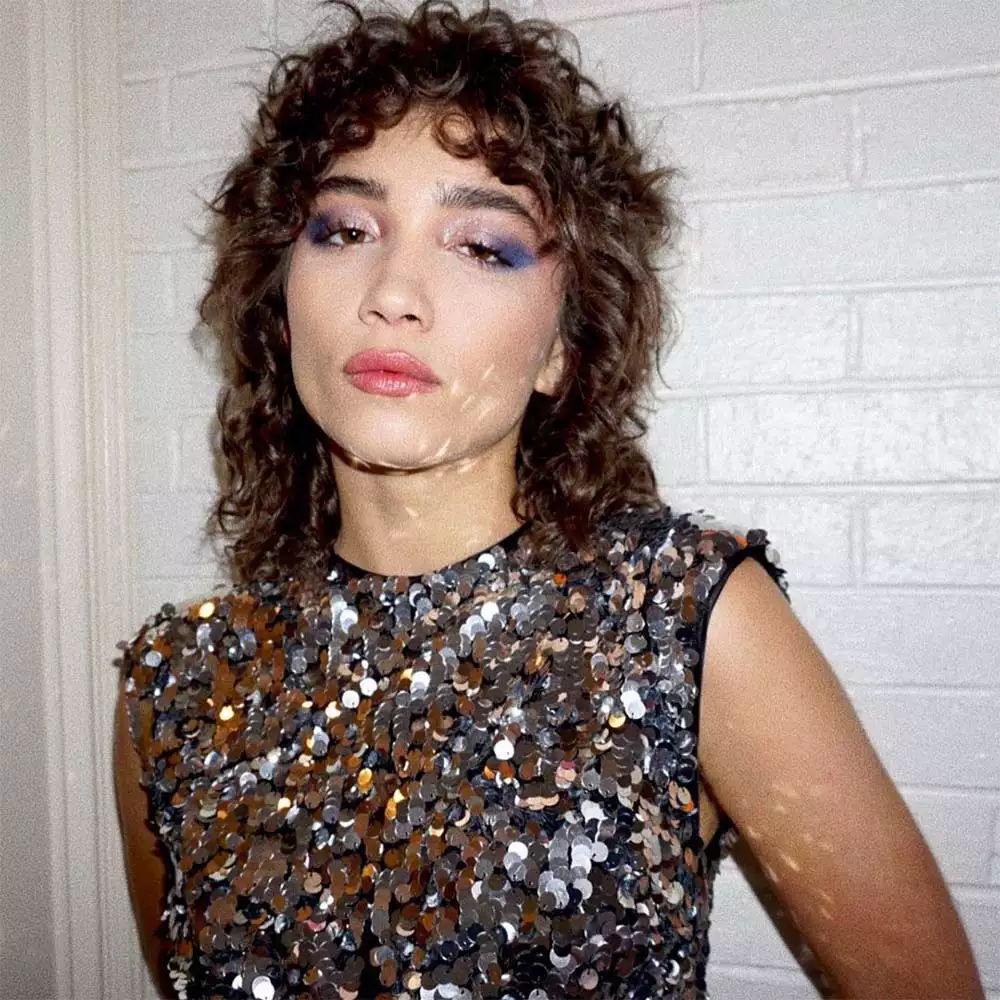
Curly bangs fall onto the forehead and blend into dense, layered curls around the cheeks and neck. The crown carries noticeable volume, while length continues behind the neck for a softened mullet outline rather than a sharp tail. This image stands apart from the straighter cuts in the set by showing how the same shaggy mullet idea translates through rounded, voluminous curls.
Rooty Blonde With See-Through Fringe and Feathered Nape

A see-through, eyebrow-grazing fringe splits into fine pieces that match the light, broken-up ends through the cut. Dark roots melt into brighter blonde mid-lengths and pale ends, emphasizing the choppy layers around the cheeks and jaw. Underneath, the nape stays longer and feathered, so the mullet direction stays light rather than bulky.
Shoulder-Length Curly Back With a Thick Curly Fringe

A dense curly fringe leads into stacked ringlets that build a rounded halo of crown volume. The length then drops longer in back, with curls extending toward the shoulders so the crown-to-back difference is easy to spot from the front. Choose this when the mullet effect should come from length and density on curls, not a tight nape taper.
Compact Wavy Profile With a Curled-Out Nape Tail
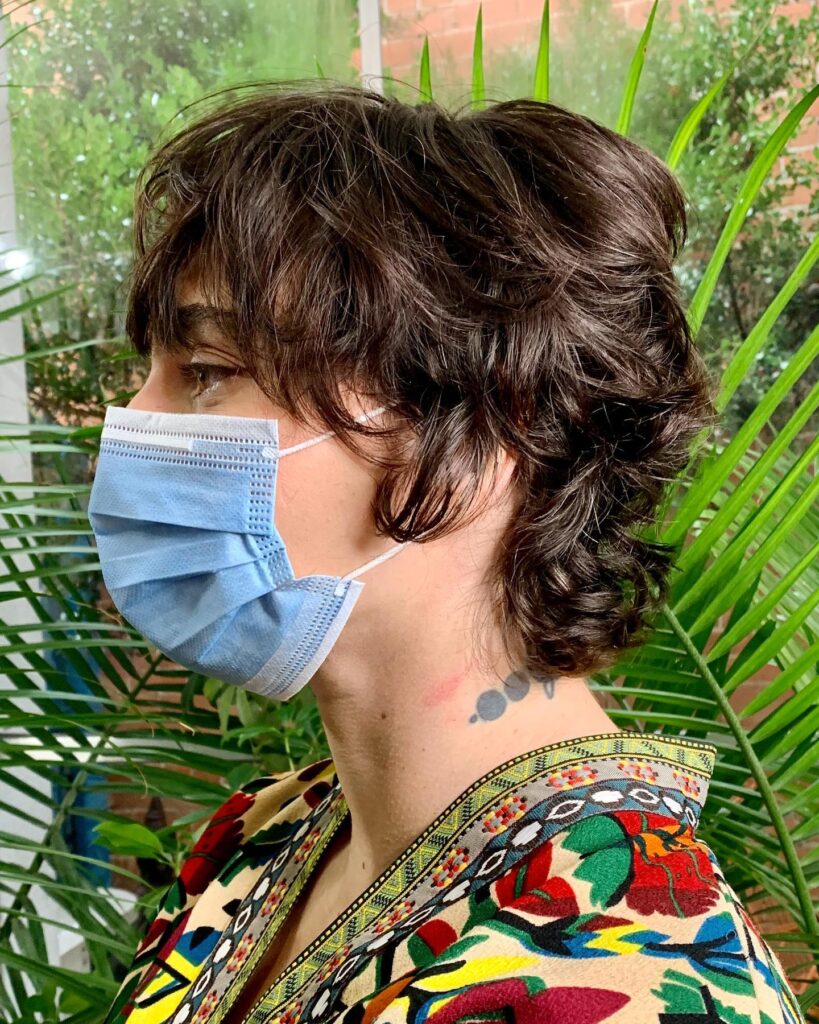
Tousled top layers show visible separation, while the length around the ear is cropped shorter to keep the profile compact. The nape is left longer and curls outward, forming a distinct tail without looking sharply disconnected. Soft, forward-falling fringe pieces add to the shaggy feel. This side view is especially useful for spotting the key mullet cue: shorter side mass with intentional back length.
Defined Curls With a Short Curly Fringe and Red-Toned Ends

Short, curly fringe pieces sit across the forehead, while layered curls frame the cheeks and jaw with a slightly defined, piecey finish. Longer curls appear behind the neck line, supporting the mullet shape, and the lower lengths show red-toned accents against a darker base. Compared with the other curly looks here, this one stands out for its color emphasis concentrated toward the ends.
Side-Swept Front Pieces With Warm Highlighted Face Frame

Side-swept fringe and curtain-like front pieces split around a center-to-slight side part, with cheekbone-length layers that look intentionally piecey. Warm blonde highlights brighten the face frame and make the separation more obvious. Behind that, the tail is visibly longer at the nape, giving the cut its mullet identity while the front stays soft and layered rather than blunt.
Choppy Micro-Fringe With Tousled Waves and a Longer Tail

A very short, uneven micro-fringe sets an intentionally jagged front, while the crown is messy and full with tousled waves breaking into separated sections. Longer pieces trail along the neck, giving the back both extension and a tapered feel. Compared with blunt-bang versions, this one leans on an irregular fringe and strong separation to signal the cut.
Short Wavy Shag With Rounded Sides and Choppy Fringe

A short, uneven fringe sits over softly tousled waves, with rounded fullness around the ears and cheeks. The front view stays compact and shaggy, and any extra length in back is subtle rather than dramatic. Consider this option when you like the shaggy mullet idea but want a look that can pass for a short, wavy shape from straight on.
Full Fringe With Flipped-Out Feathered Blonde Layers
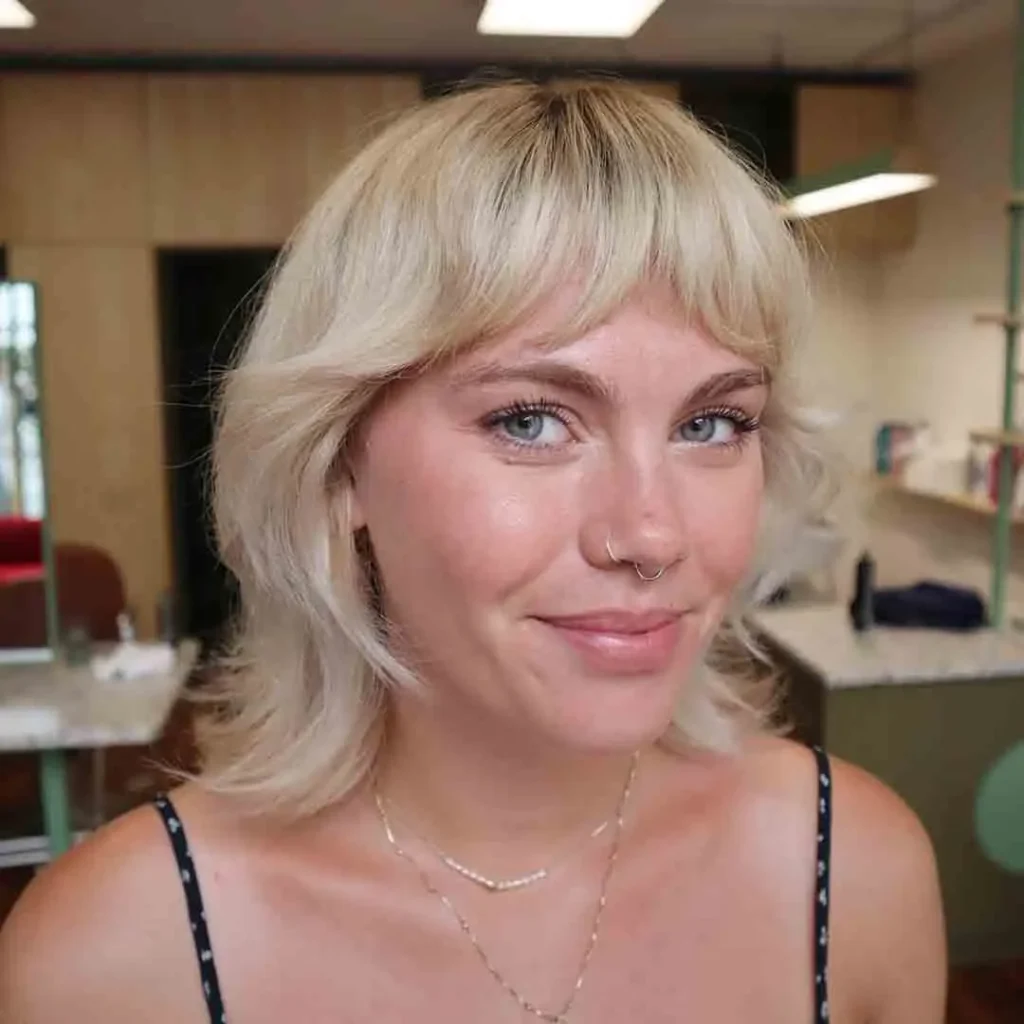
Full bangs sweep across the forehead with a soft curve, paired with bright blonde lengths cut into airy, feathered layers. The sides flip outward for a blown-out feel, and the movement continues around the jaw and neck. Length extends behind the jawline to steer it toward mullet territory, with the feathered ends doing most of the work.
How to Compare These Shaggy Mullet Variations
If you want the most obvious mullet contrast, look for the cuts where the crown stays compact and the nape is clearly extended, like the dark, glossy profiles and the rooty blonde pixie-mullet. If your priority is softness, the feathered blonde options and the platinum version rely on airy ends and lighter layering to keep the back longer without a hard edge.
Fringe is the biggest mood switch in this set: dense blunt bangs feel graphic, while micro-fringes and broken-up pieces push the style toward a rougher, more separated finish. The curly entries show the same idea with volume instead of sharp pieceiness, where the longer back is communicated through drape and density. If you like this direction but want a neighboring silhouette, mullet wolf cuts sit close on the same length-and-layers spectrum.